Repair or replace: how to think about an aging AC system
There is no age at which a system automatically needs replacing. There are conditions, and they are worth knowing.
August 27, 2026 · 4 min read
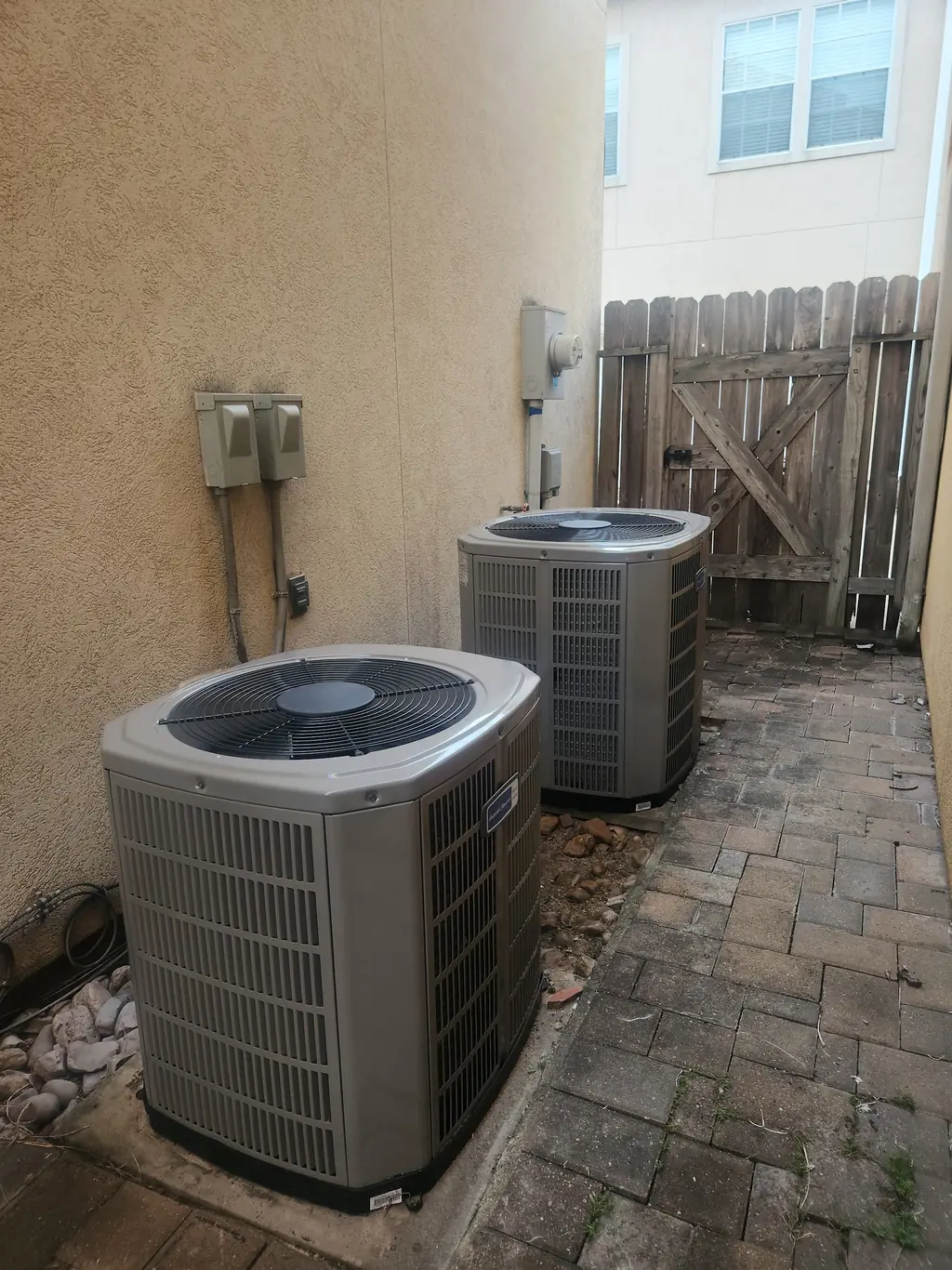
Somewhere between ten and twenty years, every air conditioning system starts prompting the same question. Is it worth putting money into this, or is it time. It is a genuinely difficult decision, it involves a lot of money, and it is usually made under pressure in the middle of a hot week, which is the worst possible circumstance for thinking clearly.
What follows is not a rule. There is no age at which a system automatically needs replacing, and anyone who tells you there is has skipped the diagnosis. What there are, are conditions worth weighing.
Where age genuinely matters
Most systems have a working life of ten to twenty years. As equipment gets older, its efficiency can fall away noticeably, it tends to get louder, and repairs come more often. That last point compounds: once a system is at the age where things start failing, fixing one component does nothing to slow the others down.
Efficiency is where age costs you invisibly. Cooling equipment carries a seasonal efficiency rating, and the difference between the minimum standard of two decades ago and what is available now is substantial across a Houston summer. On the heating side the gap can be even wider: high-efficiency furnaces available today can use around half the fuel of a system from the early nineties. None of that is a reason to replace working equipment on its own, but it belongs in the arithmetic when you are already facing a significant repair.
Questions worth answering before you decide
- What exactly has failed, and what reading established that?
- How many repairs has this system needed in the last three years?
- Is the failed component still available for this model?
- Has the system ever cooled this house properly, or has it always struggled?
- Is the house humid even when the temperature is right?
- What does the repair cost relative to a replacement, and how long would the repair realistically buy?
The fourth and fifth questions are the ones people skip, and they matter more than the rest. If a system has never cooled the house properly, or the house has always been damp, then repairing it returns you to a state you were not happy with. That is a different decision from repairing a system that worked well until last week.
The shortcut that costs the most money
There is one decision we talk people out of more than any other: replacing the outdoor unit on an older system and leaving the indoor coil in place. It is an appealing idea because it looks like half the price, and it is a false economy in every direction.
A cooling system is a matched pair. The outdoor unit and the indoor coil are engineered to work together, and mismatching them costs you efficiency. Worse, the system may fail sooner than it should, and most manufacturers' warranties are void on a mismatched installation. So you pay for new equipment, get worse performance than it is capable of, shorten its life, and lose the warranty protection that was one of the main reasons to buy new. If you replace the outdoor unit, replace the indoor cooling coil with it.
If you do replace, get the sizing right
Replacement is the one moment when the sizing decision is open, and it will then be locked in for the next fifteen years or so. It deserves more attention than it usually gets. Most systems people buy are larger than their house needs, and oversizing causes the short cycling that leaves a house cold and clammy, drives up energy use, and wears equipment out faster.
A properly sized, properly matched system does the opposite: longer, steadier run cycles, better humidity control, quieter operation and lower bills. Getting there means someone working out what this house actually requires rather than reading the label on what was there before. It is also the moment to consider variable speed and two-stage equipment, which run at lower output for longer instead of blasting and stopping, and control humidity far better as a result.
Deciding without a deadline
The best time to have this conversation is while the system is still running. When it fails in August, you are choosing equipment in an afternoon under real discomfort, which is not when anyone makes a good fifteen-year decision.
If cost is what is holding the decision, say so early rather than late. We offer financing through GreenSky, the application is paperless, and it can be ready in as little as 48 hours with approved credit. Air conditioners have a habit of failing when money is already tight, and that is exactly the situation it exists for.
And if you have already been handed a replacement quote you are not sure about, get it looked at before you sign. That is the call we would most like to receive, and it is not unusual for it to end with us telling somebody their system is fine.
Cool-It Air Conditioning & Heating, (832) 316-2665
Call (832) 316-2665More articles
When to get a second opinion on an air conditioning quote
A quote is not a diagnosis. Here is how to tell the difference before you spend thousands of dollars.
Why your AC cools but the house still feels clammy
Hitting the set temperature is only half the job. The other half is pulling water out of the air.